

In recent years, global energy markets have undergone significant transformations, with profound implications for countries like Slovakia. As a nation heavily reliant on energy imports, understanding these shifts is crucial for our economic stability and energy security.
Dependence on Russian Energy Imports
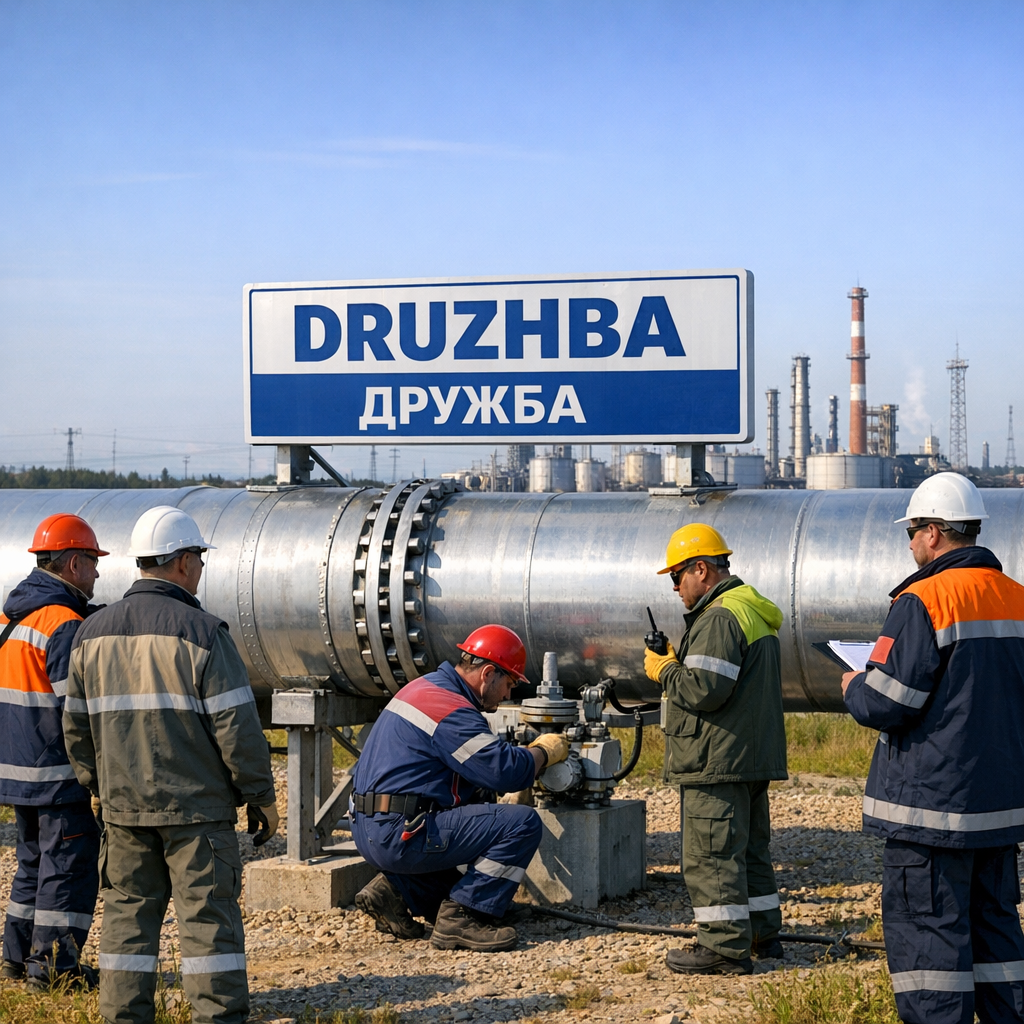
Historically, Slovakia has depended on Russian fossil fuels to meet its energy needs. In 2025, over half of our natural gas imports originated from Russia. Additionally, our crude oil supply has been almost entirely sourced from Russian deliveries via the Druzhba pipeline, under a long-term contract valid until the end of 2029. This heavy reliance has made Slovakia vulnerable to geopolitical tensions and supply disruptions.
Disruptions in the Druzhba Pipeline
In early 2026, the Druzhba pipeline, a critical conduit for oil supplies to Slovakia and Hungary, experienced significant disruptions. On January 27, oil flows through the pipeline’s southern leg were halted due to damage from a Russian drone strike near the Brody oil hub in western Ukraine. This incident underscored the fragility of our energy supply chain and the pressing need for diversification.
Efforts Toward Diversification
Recognizing these vulnerabilities, Slovakia has initiated steps to diversify its energy sources. The national gas supplier, SPP, has expanded its portfolio by entering into contracts with international energy companies and liquefied natural gas suppliers. This strategy aims to reduce dependence on Russian imports and enhance energy security. However, progress has been gradual, and challenges remain in fully implementing these diversification efforts.
Regional Collaborations and Infrastructure Development
To bolster energy security, Slovakia has engaged in regional collaborations. Notably, in March 2026, Slovakia and Hungary signed an agreement to construct a new oil pipeline connecting Százhalombatta to Bratislava. This infrastructure project is expected to provide an alternative route for oil supplies, reducing reliance on the Druzhba pipeline and mitigating risks associated with geopolitical tensions.
Economic Implications
The disruptions in energy supply have had tangible economic impacts. In March 2026, Slovakia imposed a 30-day restriction on diesel fuel sales and introduced separate pricing for foreign nationals, citing shortages caused by the damage to the Druzhba pipeline. Such measures highlight the direct link between global energy dynamics and domestic economic conditions.
Looking Ahead
As global energy markets continue to evolve, Slovakia must remain proactive in adapting to these changes. Accelerating the diversification of energy sources, investing in infrastructure, and strengthening regional partnerships are essential steps toward ensuring a stable and secure energy future for our nation.