

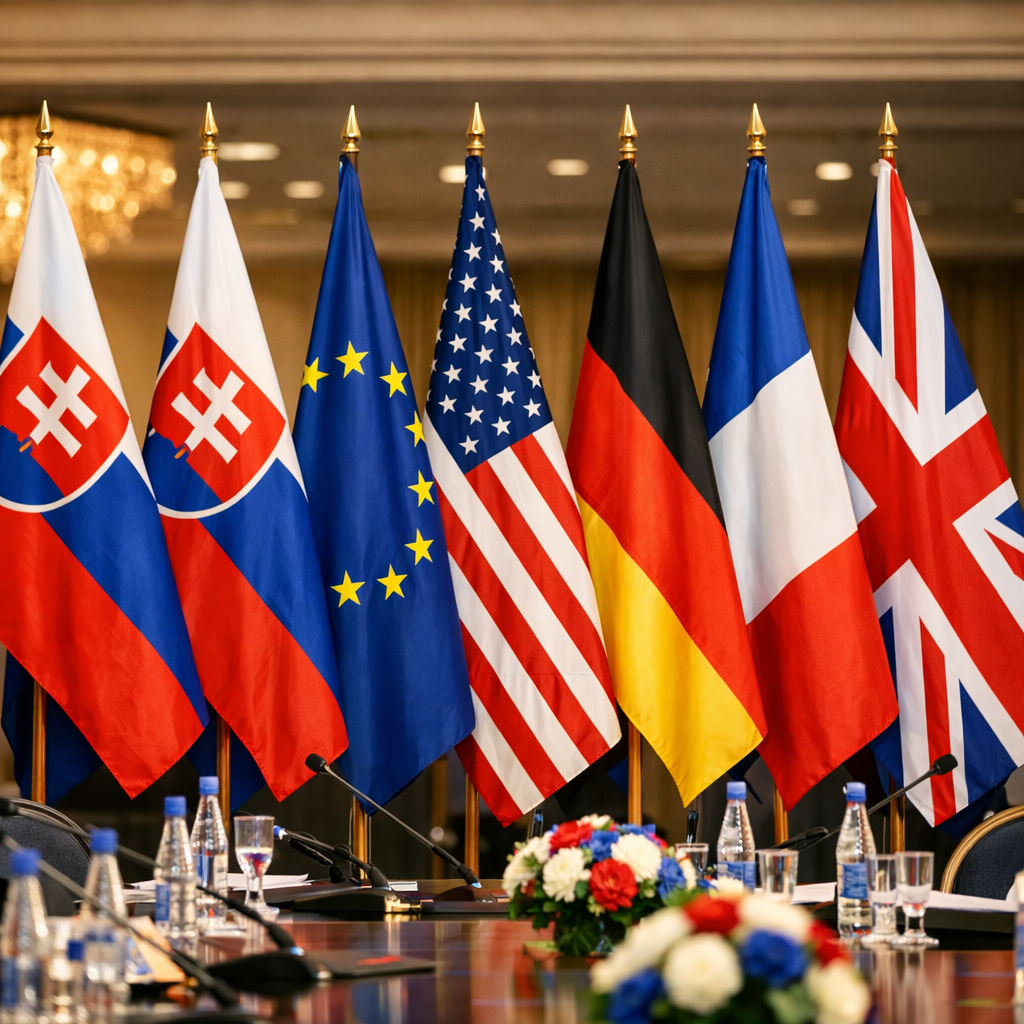
Slovakia, a nation at the heart of Europe, has been actively redefining its position on the global stage. This evolution reflects a blend of historical ties, economic ambitions, and strategic partnerships.
Historical Context and International Alliances
Since gaining independence in 1993, Slovakia has pursued integration into Western institutions. The country joined the United Nations in 1993, the European Union and NATO in 2004, the Schengen Area in 2007, and adopted the euro in 2009. These memberships have anchored Slovakia firmly within the Western political and economic framework.
Recent Shifts in Foreign Policy
In recent years, Slovakia has signaled a desire to diversify its international relations. The government, under Prime Minister Robert Fico, has emphasized a policy of “opening to the four corners of the world,” aiming to strengthen ties with non-EU partners, including BRICS countries. This approach seeks to balance traditional Western alliances with new partnerships, reflecting a nuanced strategy in global diplomacy.
Domestic Political Landscape
Domestically, Slovakia operates as a parliamentary representative democratic republic with a multi-party system. The current government is a coalition led by the Direction – Social Democracy (Smer) party, alongside Voice – Social Democracy (Hlas) and the Slovak National Party (SNS). This coalition reflects the country’s complex political dynamics and influences its foreign policy decisions.
Implications for International Relations
Slovakia’s evolving foreign policy has garnered attention from international observers. While the government asserts that this diversification aims to enhance national sovereignty and economic opportunities, some European partners express concerns about potential shifts away from EU unity. The balance between maintaining traditional alliances and forging new ones remains a delicate endeavor.
Conclusion
As Slovakia continues to navigate its path in global affairs, its strategic decisions will have lasting impacts on both domestic and international fronts. The nation’s ability to harmonize its historical alliances with emerging partnerships will be crucial in shaping its future role on the world stage.